The Indonesia Digital Nomad Visa or Remote Work Visa (E33G) allows you to live and work from Indonesia.
As many nomads flock to Bali, it’s the ideal solution if you want to stay there long-term without having to rely on visa runs or less suitable visa alternatives.
Overview of the Indonesian Digital Nomad Visa
- The Indonesian DNV is valid for one year but through renewals you can stay up to six years in total
- Minimum income requirement of $60.000/year
- You can apply from within the country or from abroad
- Allows you to sponsor family members for a visa via the Family KITAS
- Most likely triggers tax residency in Indonesia
Indonesia Digital Nomad Visa Requirements
In order to apply for the digital nomad KITAS (temporary residency stay permit card) in Indonesia you need to meet multiple requirement:
- Remote work: show that you work remote as an employee or run your own remote business (freelance or company)
- Minimum income: have an income of at least $60.000 per year
- Bank balance: minimum bank balance of $2.000 for the last three months
- Health insurance: have health insurance covering you for the duration of your stay
- Valid passport: your passport needs to be valid for at least 6 months upon application
- Sponsor: you need to be sponsored by a local company or visa agent who is responsible for the immigration process
You can find more information on the official website of the Ministry of Immigration and Corrections.
Application Process for the Indonesian DNV
Let’s have a closer look at the application process for the Remote Worker KITAS.
Check Visa Requirements Indonesia DNV
Like with any digital nomad visa the first step is to make sure you meet all the eligibility criteria. If you don’t, you wont be able to get the visa.
Hereby a reminder of the visa requirements:
- Work remote for a foreign business
- Have an income of at least $60.000/year
- Bank balance of at least $2.000 for the past three months
- Have valid health insurance and passport with a validity of at least 6 months
When you work with a local visa agent, they will verify the requirements together with you.
Gather Documentation
After you made sure you meet the eligibility criteria, you need to gather the necessary documentation to proof this:
- Work contract with foreign business
- Curriculum vitae
- Bank statements proving minimum income
- Bank statements showing minimum bank balance
- Insurance certificate
- Copy of your passport
- ID photo (white background)
- Address in Indonesia
Provide Documentation to Sponsor and Application
After gathering the necessary documents, you can provide these to your sponsor.
Your sponsor will verify the documents to make sure everything is there and nothing is missing in order to ensure a smooth application.
The visa agency will also file the application for you after you paid their fees and the government fees.
It’s important to note that you can apply both from within Indonesia (onshore application) as from abroad (offshore application).
Activation E33G KITAS
After obtaining your E33G KITAS you still need to activate it.
If you made an offshore application, you need to travel to Indonesia within 90 days. After entering the country you can obtain your local residency permit.
In case you made an onshore application, you need to convert your current visa to the Remote Worker Visa and obtain your local residency permit through a change in immigration status.
Nevertheless, it’s important to note that you can’t use this option if you are on a tourist visa on arrival. In that case, you’ll have to briefly leave Indonesia an reenter again.
Validity & Renewals of the Digital Nomad Visa in Indonesia
The E33G visa is valid for one year. However, you can renew it up to five years. This allows you to stay in Indonesia for up to 6 years in total.
Cost and Timeline for the Visa Application
The government fee for the E33G visa is IDR 7.000.000 (around €350). However, in order to apply you need a local sponsor and cover some smaller miscellaneous costs.
Therefore, you can expect to pay somewhere between €700-1.000 for the whole process. Renewals might be slightly cheaper.
The timeline for completing the process will differ depending on whether you apply from within Indonesia or abroad.
Local applications take around 14 business days while applications from abroad can be completed in as little as 7 business days on average.
Tax Considerations for Digital Nomads in Indonesia
It seems to be a common misconception that Indonesia has special tax rules or exemptions for digital nomads. Unfortunately, this isn’t the case.
Therefore, you are subject to the general tax provisions just like any other person living in Indonesia.
Accordingly, you qualify as a tax resident if you:
- Spend more than 183 days in Indonesia during any 12 month period; or
- Reside in Indonesia; or
- Show the intention to reside there while being present in the country.
If you stay long-term in Indonesia and applied for a Remote Worker Visa, it’s highly likely you’ll meet at least one of these criteria.
Consequently, you’d become liable to taxes in Indonesia on your worldwide income.
This often comes as a surprise to many digital nomads.
If you want to learn more about how this can affect you I urge you to read my article on tax residency in Indonesia.
How’s Indonesia for Digital Nomads?
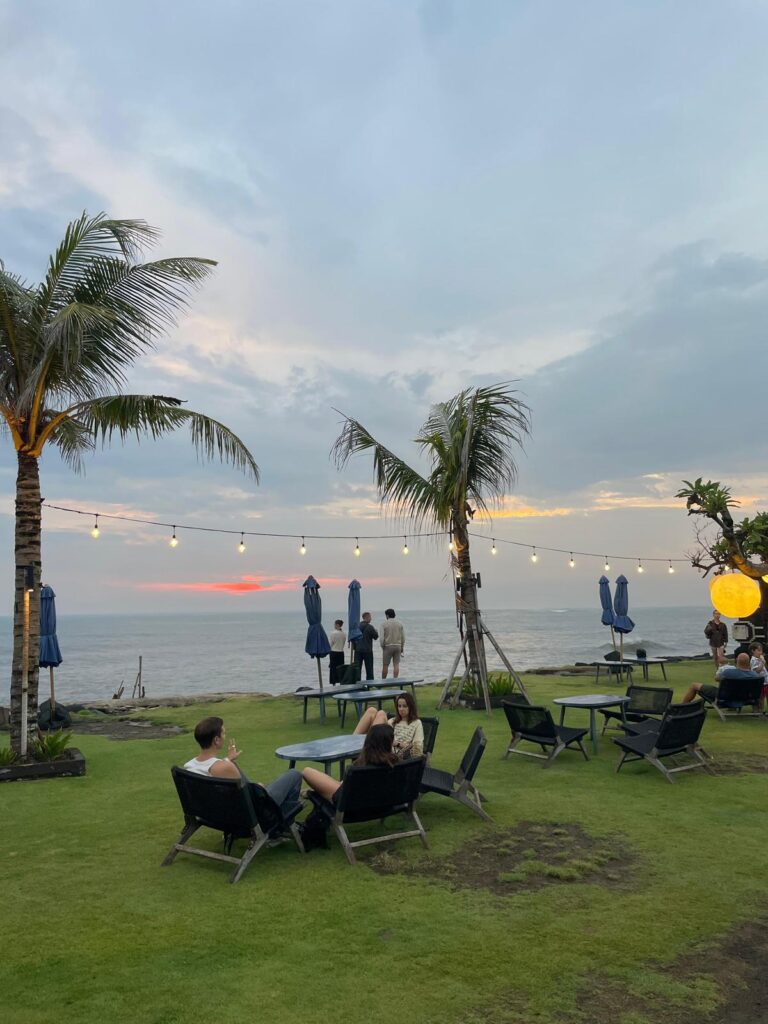
Indonesia – and Bali more specifically – remains one of the hotspots for digital nomads from all around the world.
You’ll find a different vibe in different areas depending what you’re looking for. From partying and nightlife to meditation and peaceful nature. The choice is yours.
Even before Indonesia launched its digital nomad visa, many digital nomads and remote workers made Indonesia their home base.
Yet, the struggle was always the visa situation. You had to do visa runs or look for another visa setup (e.g. through business incorporation) which were far from ideal.
The digital nomad visa Indonesia solves this issue. Yet, you shouldn’t be ignorant about the potential tax consequences.
Work With Me
Over the years I have assisted hundreds of nomads. Feel free to reach out if you need help with your (tax) planning
FAQ about the Indonesian Digital Nomad Visa
Let’s have a look at some Frequently Asked Questions about the Indonesian digital nomad visa.
Does the Remote Worker KITAS Make Me a Tax Resident in Indonesia?
Obtaining the Remote Worker KITAS doesn’t automatically make you a tax resident but it does increase your chances of doing so.
You qualify as an Indonesian tax resident if you:
- Spend 183 days during any 12 month period there; or
- Reside in the country; or
- Express the intention to reside in Indonesia while being present there throughout the year.
Applying for a long-term visa like the Remote Worker KITAS will definitely impact the assessment of this last point. Furthermore, it enables you to potentially also meet any of the other criteria.
Can I Bring My Family?
The Indonesia digital nomad visa is only valid for the person applying for it and doesn’t include family members. However, after obtaining the visa, you can sponsor your close family members to get their own visa to join you.
So, you first need to apply for your own KITAS and after that you can sponsor your family members.
In case your family members (e.g. partner) meet the criteria for the Indonesia DNV they can also apply on their own for the DNV itself.
Do I Pay Tax on Foreign Income in Indonesia?
If you qualify as tax resident of Indonesia, you have to pay tax on your worldwide income.
Therefore, we can confirm that the narrative that you don’t have to pay tax on foreign income or as a digital nomad is not correct.